Every wrestling fan knows the feeling of watching a performer catch fire, get featured in main-event angles, and then watch that momentum disappear within months. Sometimes it comes down to questionable creative choices. Other times, an untimely injury ruins months of planning, or the backstage team simply loses interest in the story they started telling.
Here is a breakdown of prominent cases in modern professional wrestling where a major push completely stalled, along with the real factors behind why it happened.
What Does a “Wasted Push” Actually Mean?
A wasted push occurs when a talent receives serious television time, marquee storylines, or championship opportunities, only for the promotion to abruptly pull the plug without a meaningful payoff. It is distinctly different from a planned setback designed to build a babyface over the long haul.
Instead, a wasted push leaves viewers feeling like an entire story arc was dropped midway through. These abrupt stops usually trace back to creative shake-ups, sudden backstage shifts, or bad luck in the ring. In certain instances, a single botched spot can completely change a career trajectory, as detailed in our breakdown of in-ring botches that permanently changed wrestling history.
Ryback
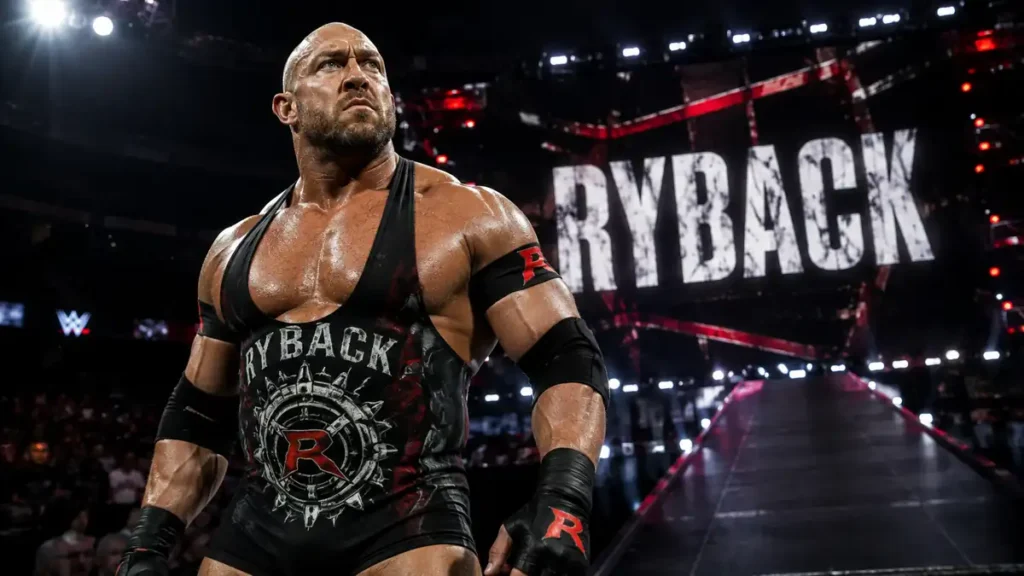
Ryback’s run in 2012 remains a classic textbook example of main-event momentum cooling off almost overnight. After tearing through local enhancement talent and racking up dominant squash victories, his simple powerhouse style earned massive crowd reactions. WWE fast-tracked him into WWE Championship contention against CM Punk to fill unexpected main-event vacancies.
The rapid rise exposed a creative flaw: the squash-match formula that got him over did not easily translate into competitive, 20-minute main-event matches against elite technical workers. When he came up short in multiple pay-per-view title bouts, WWE struggled to find an engaging second gear for his character. Within a year, he slipped down the card into standard mid-card tag team territory.
Bray Wyatt’s 2014 Feud With John Cena
When Bray Wyatt arrived on the main roster alongside the Wyatt Family in 2013, the character felt genuinely fresh. The eerie lantern entrance, cryptic promos, and slow, deliberate pacing presented him as a generational psychological threat.
His high-profile 2014 feud with John Cena should have cemented him as a permanent top-tier heel. Instead, Wyatt lost the signature matches, dropping clean falls at WrestleMania XXX and Payback. Those high-visibility losses undercut the supernatural aura he had spent nearly a year cultivating.
It took years of trial, creative resets, and an entire conceptual reboot to recapture that initial magic. For a closer look at that complete career arc, read our deep dive on Bray Wyatt’s transformation from Husky Harris to The Fiend. It serves as a reminder of how difficult it can be to recover from ill-timed losses, while also highlighting how performers can reinvent their gimmicks to regain global stardom, a pattern explored in our look at wrestlers who changed gimmicks and became global icons.
Baron Corbin
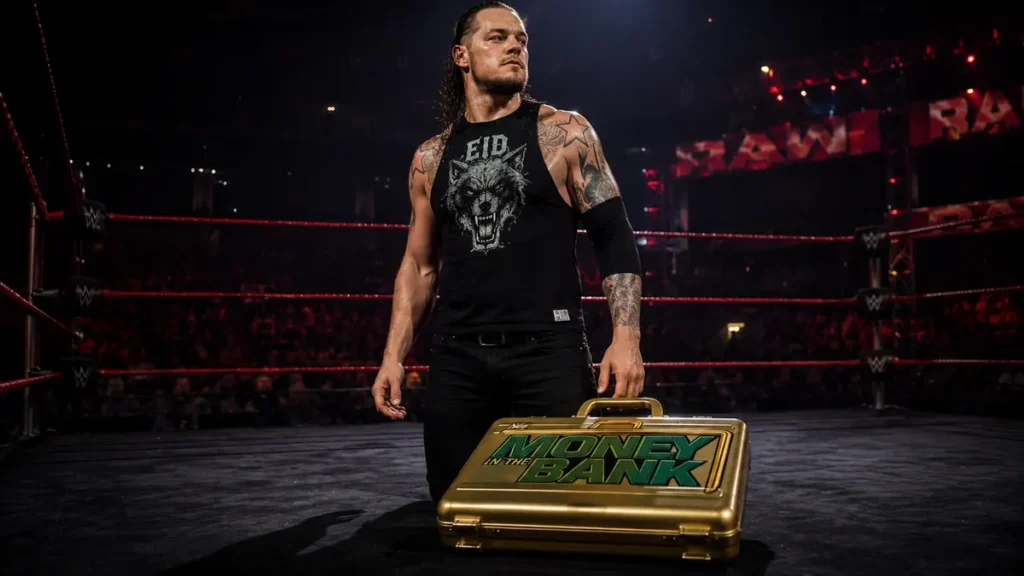
Baron Corbin’s main-event trajectory in 2017 hit a sudden wall during his Money in the Bank program. Winning the prestigious briefcase generally gives an up-and-coming heel a clear path to a world championship reign.
Instead, Corbin suffered an abrupt, unsuccessful cash-in against Jinder Mahal on an episode of SmackDown after an outside distraction by John Cena. Failing to capture the title took away his primary storyline leverage, turning what should have been a launching pad into an awkward derailment. While Corbin remained a dependable utility worker on television for years to come, he never fully regained that legitimate world-title aura.
Jack Swagger
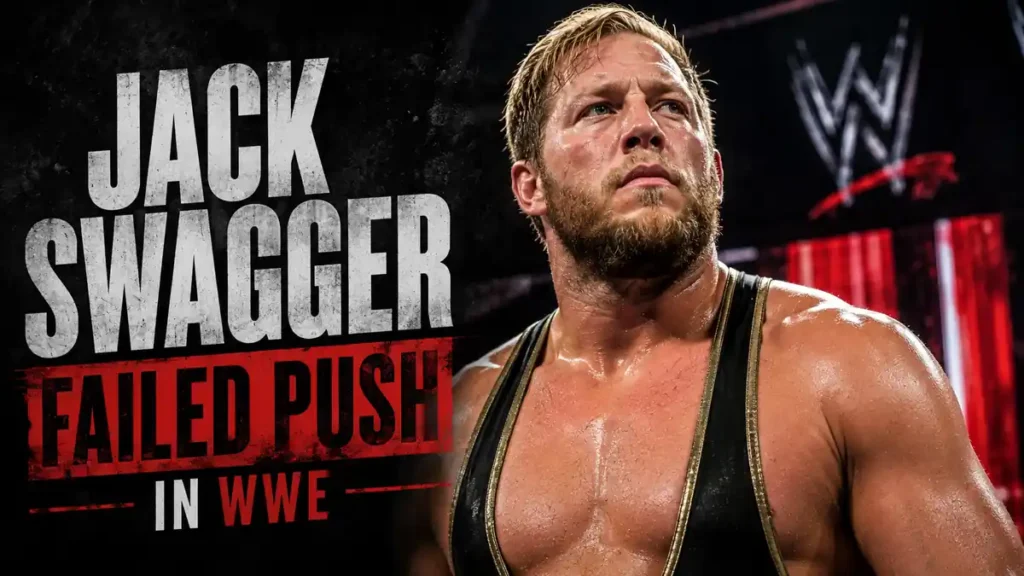
Jack Swagger entered WWE with legitimate amateur credentials as an NCAA Division I All-American at the University of Oklahoma. After building momentum through ECW and SmackDown, WWE put real stock in him by having him win the Money in the Bank ladder match at WrestleMania XXVI in March 2010.
Swagger cashed in just days later on SmackDown, pinning Chris Jericho to win the World Heavyweight Championship. However, the title run lacked compelling rivalries and was cut short just over two months later at the Fatal 4-Way event in June 2010.
WWE attempted to reignite his push in 2013 under the “Real American” gimmick with Zeb Colter, which drew strong heel heat heading into WrestleMania 29. Yet once again, the creative follow-through faded after the event, leaving two separate high-profile pushes without sustained long-term payoffs.
Bo Dallas
Bo Dallas represents a clear case of a character concept being abandoned before reaching its natural conclusion. Arriving on the main roster in 2014 with his satirical motivational speaker persona (“Bo-lieve”), he initially built an entertaining undefeated streak that connected well with live audiences.
Rather than giving the streak a climactic finish or escalating it into a meaningful mid-card title feud, creative abruptly ended the run on standard weekly television. While Dallas later carved out a solid role in tag team wrestling alongside Curtis Axel as The B-Team, his initial singles trajectory lost its identity far too early.
Emma
Emma’s transition from NXT to the main roster in 2014 showed how disconnected developmental success can sometimes be from main-roster booking. Her quirky, dance-heavy persona got over organically with the NXT crowd, leading to classic matches against Paige.
On the main roster, however, creative struggled to give her consistent weekly direction, frequently shuffling her between random pairings and brief comedy angles. The unique ring identity that made her an NXT standout was quickly diluted, highlighting the difficulties many talented workers faced during that transitional era for women’s wrestling.
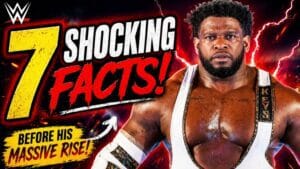
Keith Lee
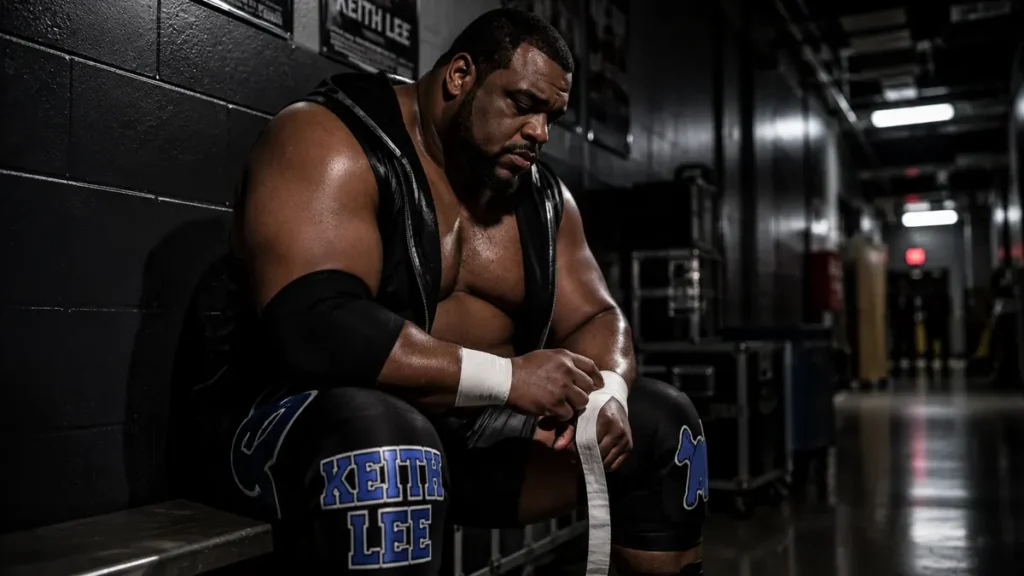
AEW had its own widely discussed momentum shift with Keith Lee. Arriving in February 2022 to enormous fan fanfare after a stellar run in NXT, Lee was positioned early on as a premier powerhouse ready to challenge for top honors.
His early performances signaled a clear trajectory toward the main-event scene—an elite tier detailed in our complete breakdown of every AEW World Champion from 2019 to 2026. However, recurring health battles and lingering medical complications frequently interrupted his scheduling. By the time he was able to work consistent dates, the promotion’s creative direction had naturally shifted to other headliners, preventing him from reaching the consistent heights his debut promised. His situation mirrors how sudden health issues can derail major plans, as seen in WWE matches that went horribly wrong due to real injuries.
Why Promising Pushes Fall Apart
Examining these cases reveals clear recurring patterns behind failed wrestling pushes:
- Poor Match Outcomes: Clean losses at the height of a character’s momentum can deflate months of storytelling in a single night.
- Mishandled Gimmick Matches: Mismanaging foundational storytelling devices, such as the Money in the Bank briefcase, hurts a talent’s credibility.
- Rushed or Directionless Title Reigns: Giving a performer a world title without establishing credible challengers or compelling stories leaves them exposed as transitional champions.
- Outside Factors and Injuries: Health issues, creative shake-ups, and sudden audience shifts often force bookers to pivot, leaving pushed performers stranded without narrative support.
Momentum in professional wrestling is fragile. Whether through creative hesitation, poor timing, or unpredictable circumstances, converting a hot start into lasting superstardom remains one of the hardest challenges in the wrestling business.
Gaurav Sharma
Founder & Lead Writer, Wrestling Nightmare
I’ve been hooked on wrestling since childhood—from the Attitude Era to today’s Bloodline saga, plus AEW and TNA. My favorite match of all time is The Rock vs. Brock Lesnar (SummerSlam 2002), and I’ll always stand by Bray Wyatt’s untapped potential.
At Wrestling Nightmare, I break down news, analyze matches, and drop verified recaps. Got a correction or wanna debate? Hit me up at contact@wrestlingnightmare.com