Few pro wrestlers have ever possessed the terrifying creative genius of Windham Rotunda, better known to the world as Bray Wyatt.
In an industry where most performers hit a creative wall, get stuck in repetitive storylines, or fade into obscurity, Wyatt refused to stagnate. He didn’t just tweak his character when things got cold—he burned his entire gimmick to the ground and rebuilt himself from scratch. Not once, but four distinct times.
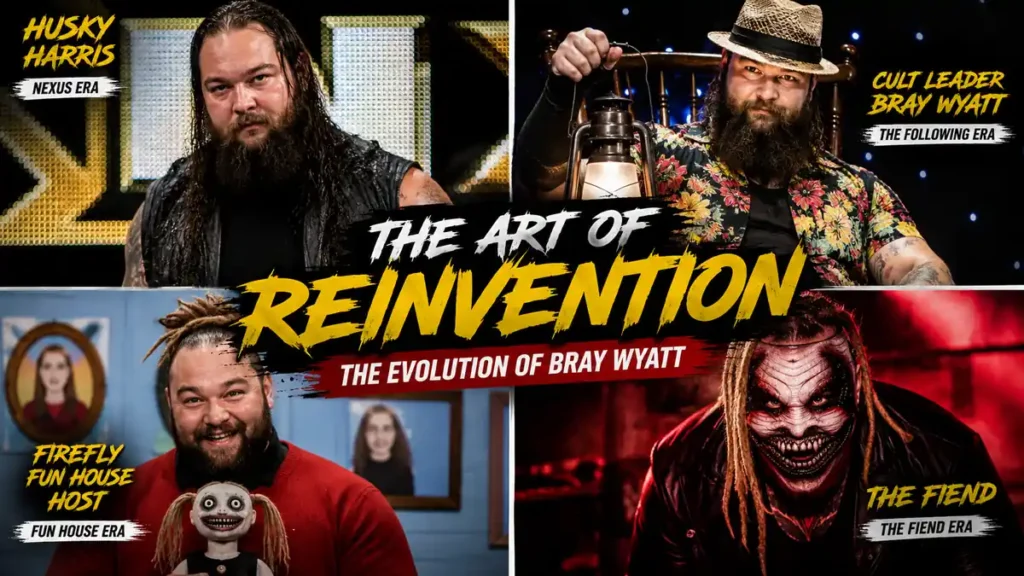
Each version felt like an entirely different human being wearing the same name. From a forgotten Nexus member to a chilling horror villain, this is the story of wrestling’s greatest creative mind and how his reinventions redefined WWE storytelling forever.
From Husky Harris to the Cult Leader: The Birth of Bray Wyatt

Before the rocking chairs, the lanterns, and the buzzing flies, WWE fans knew Windham Rotunda as Husky Harris.
When he debuted in 2010 as part of The Nexus, there was zero magic. He wore plain black trunks, delivered generic powerhouse moves, and looked like just another muscle-bound rookie doomed to be forgotten.
When WWE sent him back to NXT, it could have killed his career. Instead, it birthed a legend.
Wyatt drew inspiration from Southern Gothic lore, cult leaders like Charles Manson, and Robert De Niro’s character in Cape Fear. When he returned to the main roster in 2013 alongside Luke Harper and Erick Rowan as The Wyatt Family, the wrestling world had never seen anything like it.
What Made the “Eater of Worlds” Era Special?
- Unforgettable Presentation: Sitting in a wooden rocking chair, blowing out a kerosene lantern, and whispering, “Follow the Buzzards.”
- Psychological Promos: Instead of talking about titles, he spoke in cryptic riddles about corruption, society, and false gods.
- Iconic Feuds: Classic rivalries with John Cena, The Shield, Roman Reigns, and Randy Orton established him as a main-event powerhouse.
📌 Also Read: Why Bron Breakker Dropped the Steiner Name in WWE
4 Eras of Windham Rotunda: A Side-by-Side Comparison
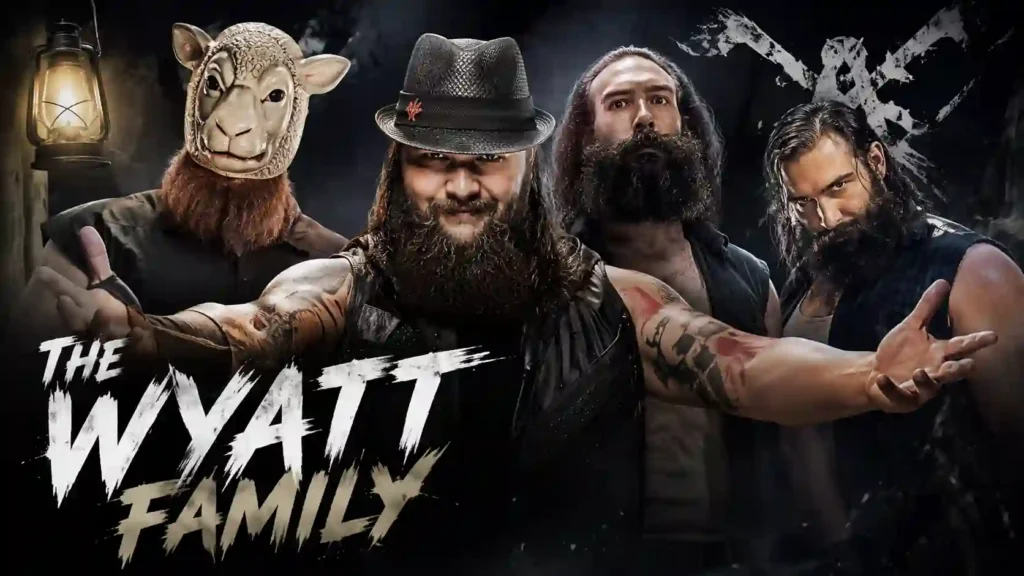
To truly appreciate his genius, you have to look at how drastically his in-ring style, promos, and presentation evolved over time:
| Era | Character Persona | In-Ring Style | Signature Look / Entrance |
| Husky Harris (2010) | Generic Powerhouse Rookie | Basic Power Moves, Strikes | Plain Trunks, Nexus Armband |
| Wyatt Family (2013–2018) | Southern Cult Leader / Prophet | Slow, Methodical, Heavy Sentons | Hawaiian Shirts, Rocking Chair, Lantern |
| The Fiend (2019–2021) | Supernatural Horror Villain | No-Selling Finishers, Brutal Claws | Terrifying Mask, Red Lighting, Fiend Title |
| The Final Chapter (2022–2023) | Tortured Soul / Uncle Howdy | Hybrid Power & Psychological | White Rabbit Teasers, Advanced Visuals |
The Firefly Fun House & The Fiend: Saving His WWE Career
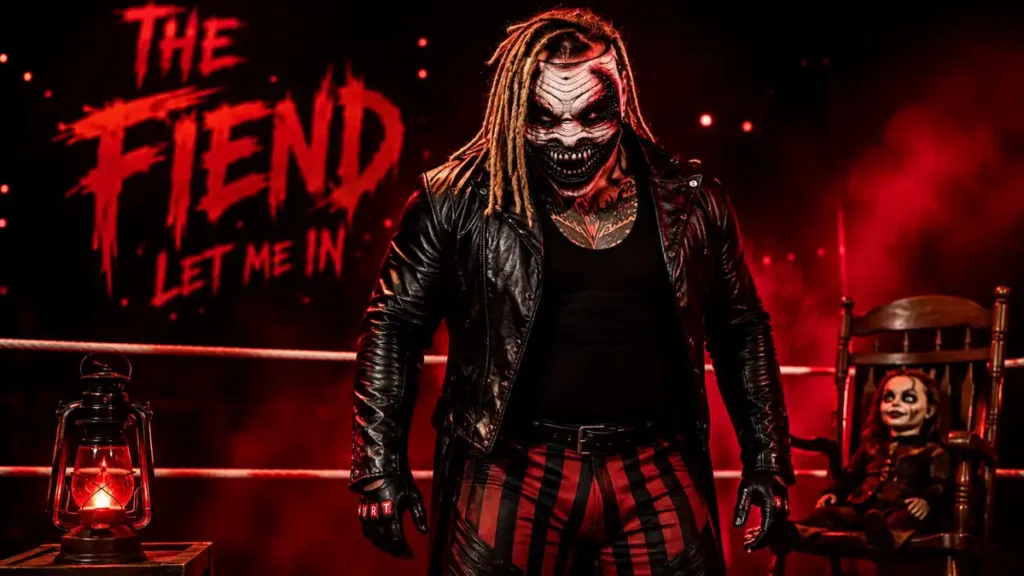
By 2018, even after winning the WWE Championship, the “Eater of Worlds” gimmick had lost its spark due to questionable booking. Most wrestlers would have accepted their mid-card status. Bray Wyatt did the unthinkable.
He vanished from TV and returned with the Firefly Fun House—a surreal, unsettling children’s show parody featuring puppets like Mercy the Buzzard and Ramblin’ Rabbit.
And hiding right underneath that cheerful personality was The Fiend.
The Fiend wasn’t just a wrestling character—it was a full-blown horror movie monster stepping inside a WWE ring
How His In-Ring Style Evolved With Every Mask
A lot of wrestlers change their gear, but keep wrestling the exact same match. Wyatt was different.
- As Husky Harris, he wrestled like a basic brawler.
- As the Wyatt Family leader, he slowed his pace to a deliberate, terrifying crawl, absorbing punishment before turning the tide with a sudden Sister Abigail.
- As The Fiend, he completely stopped selling moves to build an aura of invincibility.
He understood that storytelling doesn’t stop when the bell rings—every punch, suplex, and kick had to fit the mindset of whatever character he was portraying.
📌 Also Read-: AJ Styles Legendary Career: From TNA and NJPW to WWE and Retirement
Comparing Wyatt to Wrestling’s Other Great Transformers
When fans talk about character evolution, names like The Undertaker or Chris Jericho often come up. But Wyatt’s approach was uniquely risky:
- The Undertaker evolved over 30 years, but his core identity remained the supernatural Phenom (even during his American Badass biker run).
- Chris Jericho frequently shifted his promos and ring gear, but his fundamental wrestling style stayed grounded in classic cruiserweight/technical wrestling.
- Bray Wyatt completely tore up the script each time. He built unique mythologies, introduced new alter-egos, and forced WWE’s production team to reinvent how they filmed matches.
A Tragic End and a Lasting Legacy
In October 2022, Wyatt made a triumphant return to WWE under the White Rabbit viral campaign—one of the most successful ARG teasers in sports entertainment history. This new era promised a deeply personal story involving his family history and the mysterious Uncle Howdy.
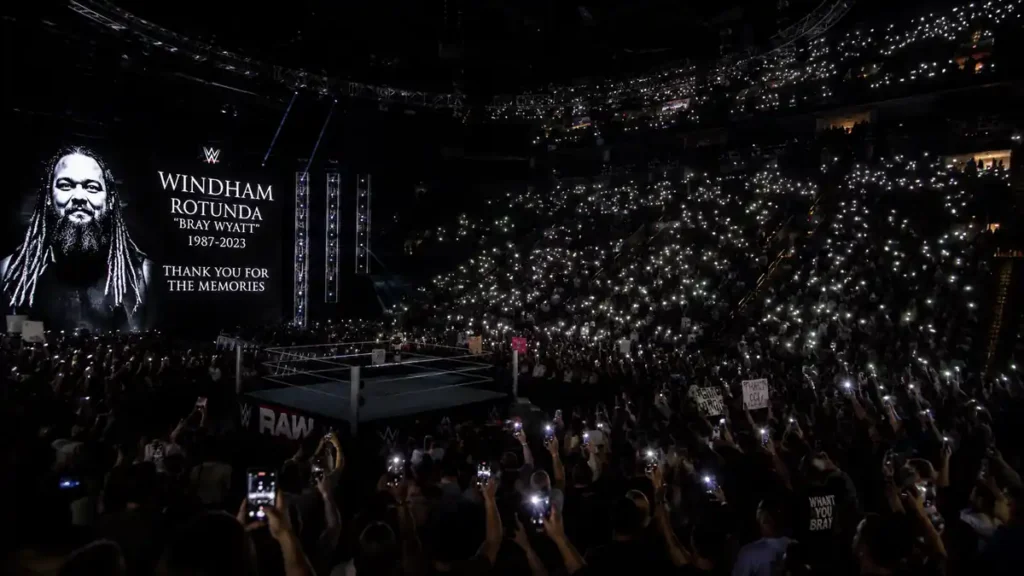
Tragically, fans never got to see where this masterclass storyline was heading. In August 2023, Windham Rotunda passed away at the young age of 36.
The grief felt across the wrestling community was unprecedented. Tributes poured in from rival promotions, mainstream media, and millions of fans who had lit up arenas with their phone flashlights—his beloved “Fireflies.”
📌 Must Read: Big Cass WWE Return: His AEW Exit, Career Fall & Comeback Story
The Verdict: Why Bray Wyatt’s Legacy Lives On
Bray Wyatt proved that professional wrestling is so much more than bodyslams, championship belts, and win-loss records. It is a canvas for art, cinema, and psychological storytelling.
Today, you can see his fingerprints all over modern wrestling—from cinematic matches and ARG teasers to elaborate entrance presentations and dark, character-driven stables like The Wyatt Sicks.
He was wrestling’s ultimate visionary—a man who proved that no matter how deep you get buried, creativity and courage can bring you back from the dead.
My Fan Rating for His Legacy: ⭐⭐⭐⭐⭐/5 (Unmatched creativity that changed pro wrestling forever).

About Gaurav Sharma
I am the founder, lead writer, and editor behind Wrestling Nightmare. I have been analyzing and following professional wrestling for years, with a deep focus on WWE, AEW, and TNA—spanning the Attitude Era, the Ruthless Aggression transition, and modern long-term booking eras like The Bloodline. My work centers on breaking down in-ring storytelling, creative booking decisions, and the business landscape of combat sports entertainment. When I am not breaking down pay-per-view match structures, I am tracking roster movements, injury reports, and backstage creative pivots to deliver grounded, hype-free pro wrestling analysis.
contact@wrestlingnightmare.com