In professional wrestling, there are two main character roles: Heel and Babyface. A heel is the villain of the story—the superstar who is supposed to make fans boo and root against them. A babyface, on the other hand, is the hero who has the crowd’s support and is often the main protagonist of the storyline.
The purpose of turning a superstar heel is simple: get the audience to hate them. That usually means betraying a close friend, attacking a fan-favorite wrestler, or completely changing their attitude and personality so the crowd turns against them.
However, WWE has seen several moments where things went in the exact opposite direction. Instead of rejecting the newly turned heel, fans embraced them even more. Boos turned into loud cheers, merchandise sales skyrocketed, and the supposed “villain” ended up becoming one of the biggest attractions in the company.
In this article, we’ll look at five WWE heel turns that completely backfired—but in the best possible way. Instead of creating hated villains, these turns transformed their stars into some of the most popular and successful names in WWE.
1. CM Punk’s 2011 “Pipe Bomb” Turn
Before June 2011, CM Punk was already one of the most talented superstars in WWE and arguably the best promo cutter on the roster. To me, it was honestly surprising that someone with that much talent was still stuck in the mid-card while less complete performers were getting bigger opportunities.
Then everything changed in a single night.
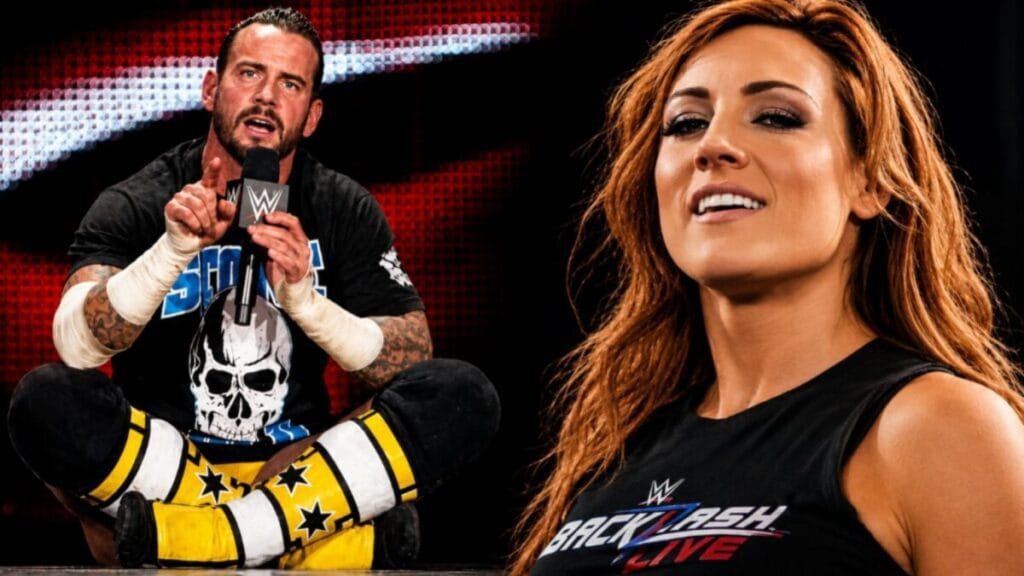
CM Punk walked onto the entrance ramp, sat down with a live microphone, and delivered the now-legendary “Pipe Bomb” promo. He took shots at WWE, Vince McMahon, and the entire system. The promo felt so real that it didn’t seem like a scripted wrestling segment at all. As I watched it, it genuinely felt like CM Punk was letting out years of real-life frustration rather than simply playing a character.
From WWE’s storyline perspective, this was supposed to be a heel turn. Punk was positioned against the company’s top babyface, John Cena, and was expected to leave with the WWE Championship as a “traitor” who had turned his back on WWE. The goal was simple: fans were supposed to hate him and see him as the villain. But the exact opposite happened.
CM Punk’s honesty, confidence, and fearless attitude made him the most popular man in professional wrestling almost overnight. Instead of booing him, fans cheered louder than ever. “Best in the World” T-shirts flew off the shelves, and arenas echoed with CM Punk chants that often drowned out John Cena’s. WWE continued presenting him as a heel on paper, but the audience simply refused to treat him like one.
This remains one of the greatest examples of a heel turn completely backfiring in the best possible way. CM Punk didn’t need to betray a friend or brutally attack someone to become a villain. All he had to do was speak what many fans believed was the truth—and that honesty turned him into one of the biggest stars of his generation.
Even today, more than a decade later, the Pipe Bomb is still one of the most talked-about promos among WWE fans. Whether it’s on social media, YouTube, or wrestling forums, fans continue to revisit and discuss it as one of the greatest promos in WWE history.
2. Roman Reigns Becoming “The Tribal Chief” in 2020
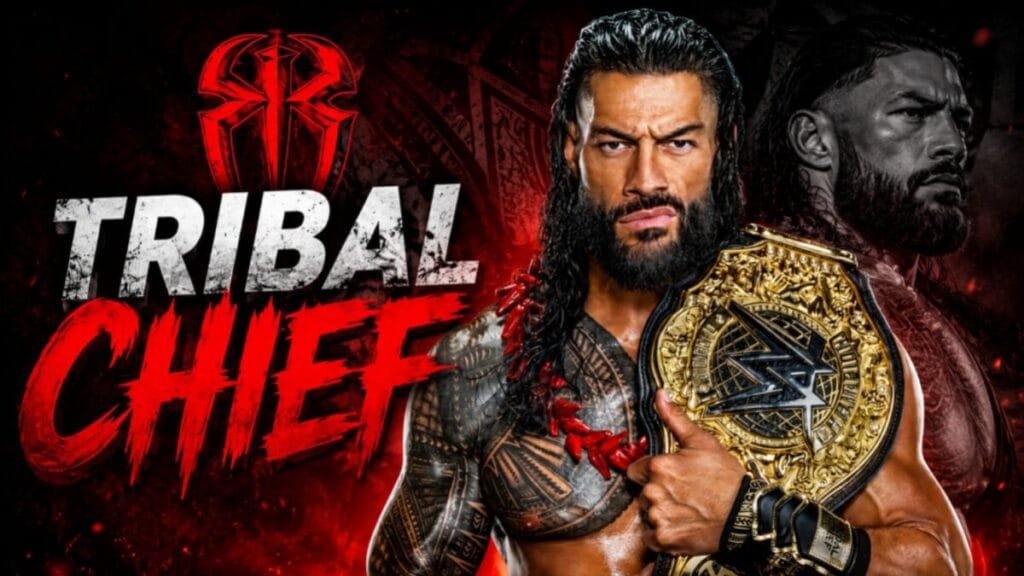
This heel turn is personal for me, and I know many WWE fans feel the same way. For years, WWE tried to position Roman Reigns as the next John Cena. He was presented as the smiling babyface with scripted promos and a massive push that, at the time, many fans felt he hadn’t earned yet. As a result, instead of getting behind him, a large section of the audience turned against him. Many fans started calling him boring, and I remember wondering, “Why is WWE so determined to keep pushing this guy no matter what?” It reached the point where Roman, despite being the company’s top “good guy,” became one of the most heavily booed babyfaces in WWE history.
Then everything changed in August 2020.
After returning from a break, Roman Reigns aligned himself with Paul Heyman, and we saw a completely different version of him. The smiling hero was gone. In his place was a cold, calculating, dominant superstar who called himself The Tribal Chief and demanded that everyone simply “Acknowledge Me.”
In my opinion, what made this heel turn so successful wasn’t just the storyline. WWE finally allowed Roman Reigns to become the character he had always seemed best suited to play. Paul Heyman elevated his presentation on the microphone, The Bloodline storyline added layers of family drama and emotion, and Roman stopped trying to be the charismatic hero everyone wanted him to be. Instead, he embraced his intimidating presence, and it fit him perfectly.
The results spoke for themselves. Roman Reigns went on to have a historic multi-year championship reign that many critics and fans consider one of the greatest character runs of the modern WWE era. People still booed him, but those reactions weren’t because they wanted him off television. They booed because he had become such a convincing and compelling villain. That’s the difference between a heel turn that fails and one that creates a legend.
3. Becky Lynch’s Turn Against Charlotte Flair in 2018
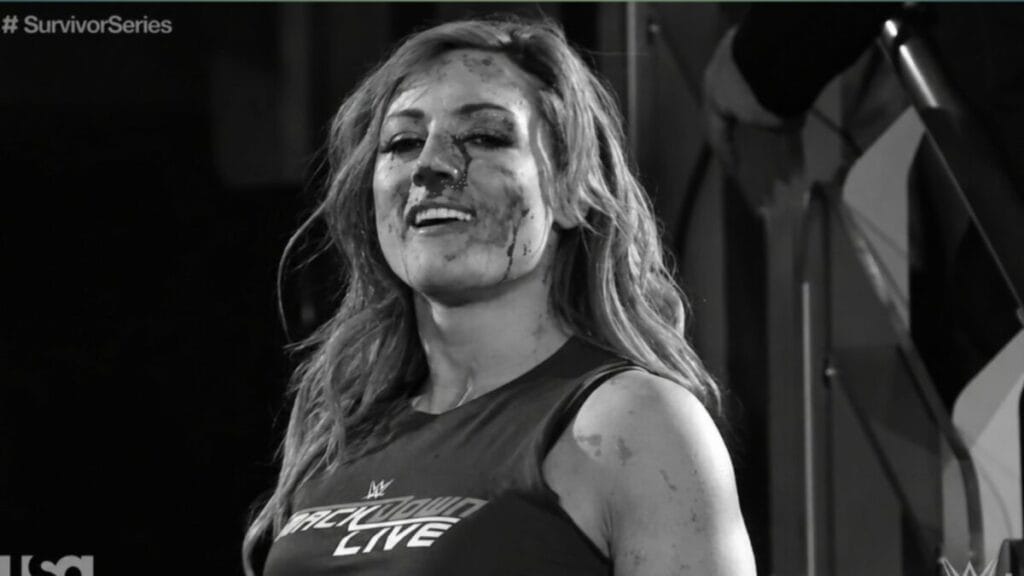
Becky Lynch’s heel turn is another example of WWE making a decision with one goal in mind, only for the exact opposite to happen. For years, Becky was a likable babyface. Fans enjoyed watching her, but there wasn’t really anything that made her feel like the biggest star on the roster.
Then, in late 2018, everything changed. Becky entered a storyline with her real-life best friend Charlotte Flair, and WWE clearly intended to turn Becky into the heel. She was portrayed as angry and bitter, almost as if she was jealous of Charlotte’s success. But Becky took that character and elevated it to another level. She started calling herself “The Man,” openly criticized WWE for constantly putting Charlotte ahead of her, and challenged anyone who stood in her way. Around the same time, Becky suffered a legitimate broken nose during an altercation with Nia Jax.
WWE wisely incorporated the real-life injury into the storyline. The image of Becky standing in the crowd with blood running down her face instantly became one of the most iconic moments in WWE history.
The interesting part is that WWE wanted fans to support Charlotte and view Becky as the villain. Instead, the audience reacted in the complete opposite way. Fans loved Becky’s confidence, attitude, and her determination to fight for the respect she believed she deserved. She wasn’t asking people to like her or feel sorry for her—she was demanding respect, and that connected with the audience on a completely different level. Eventually, WWE had no choice but to turn Becky back into a babyface because the crowd simply refused to boo her.
That incredible wave of support ultimately led to Becky Lynch headlining WrestleMania 35, where, for the first time in WWE history, a women’s match closed WrestleMania. Her failed heel turn ended up becoming the biggest turning point of her career.
What makes this story even more special to me is that I watched it all happen in real time. I witnessed Becky’s incredible journey from “Becky Balboa” to “The Man” with my own eyes. Seeing her transform from an underdog into one of the biggest superstars in WWE was something truly special, and today, Becky Lynch has firmly earned her place among the greatest stars of her generation.
4. Seth Rollins Heel Turn
Seth Rollins began his main roster career as a member of The Shield, one of the most beloved factions WWE had created in years. Fans loved the chemistry between Roman Reigns, Dean Ambrose, and Seth Rollins, so almost nobody expected the group to break up so soon.
Then came the unforgettable moment in 2014 that shocked the entire wrestling world. Seth Rollins suddenly attacked Dean Ambrose and Roman Reigns with a steel chair before aligning himself with The Authority. It instantly became one of the most shocking betrayals in WWE history. Fans could hardly believe that their favorite faction had fallen apart. According to the storyline, Rollins was meant to become WWE’s biggest villain, and when he later cashed in his Money in the Bank contract at WrestleMania 31 to defeat Brock Lesnar and win the WWE Championship, fans had even more reason to hate him.
And to be fair, they did boo him. But those boos never held Seth Rollins back. Instead, they helped turn him into one of WWE’s biggest must-watch attractions. Every week, he would walk out, deliver an arrogant and cocky promo that had the crowd showering him with boos, and then step into the ring and put on a performance that left everyone speechless. At that time, Seth Rollins’ in-ring ability was on another level compared to much of the roster.
For me, Rollins’ greatest strength was the perfect balance he created. His heel character was so irritating that fans genuinely enjoyed seeing him as the villain, yet his wrestling was so incredible that nobody wanted to miss his matches. Very few wrestlers have ever been able to combine those two qualities so effectively. Because of that, Seth Rollins quickly established himself as one of WWE’s top stars. Looking back, I honestly don’t think his career would have reached the level it has today if he had simply remained the loyal member of The Shield forever.
5. Bayley Turning on Sasha Banks in 2019
Bayley is another superstar whose heel turn completely changed the course of her WWE career. During her time in NXT and the early years of her main roster run, Bayley was the definition of a classic babyface. Known as “The Hugger,” she was always smiling, endlessly optimistic, and the lovable underdog that fans wanted to see succeed. That character worked for several years and made her one of WWE’s most popular female stars.
However, by 2019, the gimmick had started to feel stale. Fans weren’t reacting to her matches the way they once had, and it was obvious that her character needed a fresh direction.
That’s when WWE made the change. Bayley turned heel by betraying her best friend and tag team partner, Sasha Banks, and almost overnight, she felt like a completely different performer. I still remember watching that transformation. The superstar who was known for hugging fans and constantly smiling suddenly became sarcastic, petty, arrogant, and far more entertaining.
The biggest difference was that Bayley finally had the freedom to show a different side of her personality. She no longer had to play the “nice girl” all the time. Her promos became more natural, more confident, and often genuinely funny. At the same time, her in-ring performances seemed to reach another level, making her matches much more enjoyable to watch.
The SmackDown Women’s Championship reign that followed is still considered by many fans and critics to be one of the most underrated title runs of that era. More importantly, this heel turn didn’t just make Bayley more entertaining—it made her a more complete performer.
Sometimes all a wrestler needs is the freedom to stop smiling and embrace a completely different side of their character. Bayley is the perfect example of how a well-executed heel turn can unlock a superstar’s true potential and elevate their career to an entirely new level.

Gaurav Sharma
Founder & Lead Writer, Wrestling Nightmare
I’ve been hooked on wrestling since childhood—from the Attitude Era to today’s Bloodline saga, plus AEW and TNA. My favorite match of all time is The Rock vs. Brock Lesnar (SummerSlam 2002), and I’ll always stand by Bray Wyatt’s untapped potential.
At Wrestling Nightmare, I break down news, analyze matches, and drop verified recaps. Got a correction or wanna debate? Hit me up at contact@wrestlingnightmare.com