
Every few months, WWE fans wake up to surprising news that catches everyone off guard—a wrestler has been released by WWE. As soon as the release of a popular superstar is announced, social media is flooded with reactions. Fans come up with different theories, online petitions start circulating, and everyone ends up asking the same question: why did WWE release this wrestler?
The truth is, WWE rarely releases a superstar for just one reason. Every release is usually the result of several different factors. Sometimes it’s a business decision, sometimes it’s because creative has no plans for the wrestler, and other times it’s simply about financial considerations. Once you understand these reasons, WWE release announcements become more than just shocking headlines—you also start to see the reality behind them.
Budget Cuts Are More Common Than You Think
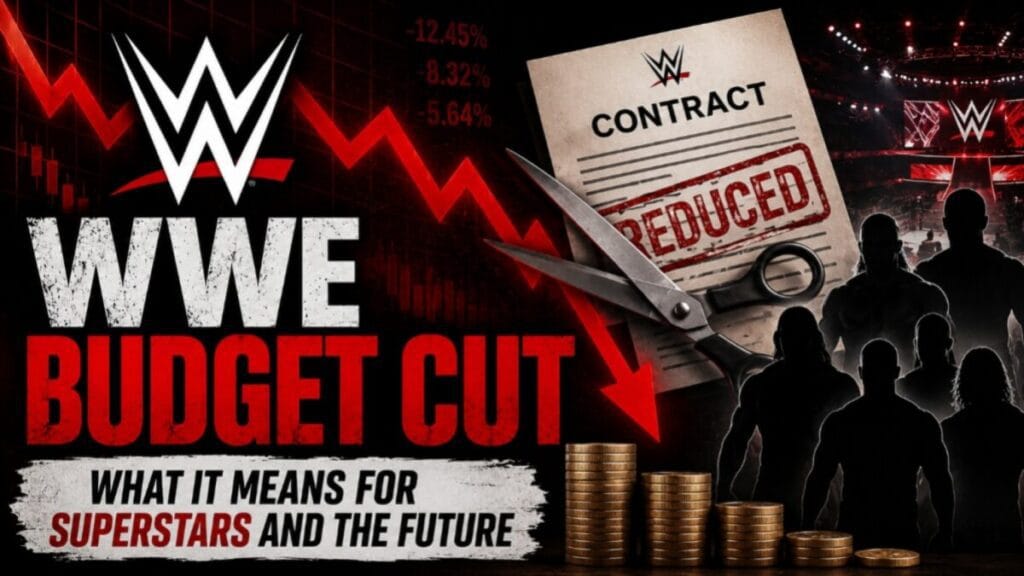
WWE is a business first and an entertainment company second. Every superstar on the roster is under contract and earns a salary from the company. That’s why WWE constantly evaluates whether a wrestler is bringing enough value to justify what they’re being paid.
When WWE goes through budget cuts, it looks at the entire roster and asks one tough question: which superstars are generating enough value through merchandise sales, ticket sales, or their importance in storylines? Wrestlers who aren’t featured regularly on TV, don’t sell much merchandise, and don’t have a strong fan base or social media presence are often more likely to be released.
These decisions usually aren’t personal. In most cases, it’s simply a business decision based on numbers. A wrestler may be talented, hardworking, and even a fan favorite, but if WWE believes their contract costs more than the value they bring to the company, they can end up on the release list during budget cuts. As painful as it may be for fans, WWE ultimately focuses on what makes the most business sense.
Creative Has No Direction For Them

This is one of the most common reasons why WWE superstars get released, and it’s also one of the hardest for fans to accept because they develop a strong emotional connection with their favorite wrestlers. WWE has plenty of writers and producers working on storylines, but there are only so many hours of television each week. As a result, it’s impossible for every wrestler to have an important role or a meaningful storyline.
When the creative team runs out of ideas for a superstar, or when their character no longer fits into any ongoing storyline, they end up in what fans call “creative limbo.” Months can go by without any TV time, promos, or matches. Eventually, WWE decides that it doesn’t make business sense to keep paying someone who isn’t being used.
This has happened to several talented wrestlers who were excellent inside the ring but never found a character or storyline that truly connected with the audience. A recent example is the Wyatt Sicks faction, which had become incredibly popular among fans, yet WWE still released them. Even now, it’s hard for me to believe that wrestlers like Karrion Kross and Braun Strowman are no longer with the company for similar reasons. In WWE, being a great wrestler isn’t always enough. The company needs performers who can play an important role in an active storyline.
Contract Non-Renewals
WWE doesn’t always release wrestlers in the middle of their contracts. Sometimes a superstar’s contract simply expires, and WWE chooses not to renew it. This is very different from a mid-contract release because there’s no sudden decision or breach of contract involved. The company simply decides not to continue the partnership.
WWE often makes this decision when a wrestler has been with the company for several years but hasn’t received a major push or an important storyline. In some cases, WWE also wants to reduce the size of its roster while avoiding the additional costs associated with releasing guaranteed contracts. Instead, the contract is allowed to expire, and both sides quietly go their separate ways.
There are also times when the decision comes from the wrestler’s side. Some superstars choose not to renew their contracts because they aren’t getting meaningful storylines or feel that the new contract offer doesn’t meet their financial expectations. In those situations, both WWE and the wrestler decide it’s best to move on.
Roster Overcrowding
WWE often signs more wrestlers than it can properly use. Every year, new stars move up from NXT to the main roster, while free agents from other wrestling promotions also join the company. As a result, the roster gradually becomes so crowded that it’s impossible to give every wrestler regular TV time. In this situation, WWE naturally gives priority to the superstars who are the most popular, have the strongest connection with fans, or generate the most business for the company.
Im sorry to inform you all. I just got released from WWE. I want to thank WWE for the ride, but MOSTLY I want to thank each and EVERYONE OF YOU who was along for the ride, Thank you for all the love, support, and appreciation you have given me over the years. Thank you 🙏🏾
— Ron Killings (@RonKillings) June 1, 2025
When too many wrestlers are competing for limited TV time and storylines, some of them are inevitably left behind. This is especially common in the tag team and women’s divisions, where there is plenty of talent but not enough championships or meaningful opportunities for everyone.
When the roster becomes overcrowded, WWE usually decides to trim it down. During these roster cuts, the wrestlers with the least momentum or those who haven’t had an important role for a long time are often the first to be released.
Injuries and Physical Concerns
Injuries are not always the main reason behind a wrestler’s release, but they can play a role in some cases. If a superstar suffers repeated injuries and spends long periods away from the ring, WWE may see them as a risky long-term investment. In such situations, the company often thinks twice before continuing the contract. WWE rarely states publicly that a wrestler was released because of injuries. However, wrestling journalists and insiders sometimes reveal later that a history of recurring injuries was one of the factors behind the company’s decision.
Behind-the-Scenes Issues
A wrestler’s release isn’t always about business or financial reasons. In some cases, personal conduct, unprofessional behavior, or repeated conflicts with agents and producers backstage can also lead to a release. WWE expects its superstars to maintain a professional standard, both during public appearances and behind the scenes. If a wrestler repeatedly fails to meet those standards, the company may decide to release them, either quietly or without much warning.
In situations like these, WWE usually doesn’t reveal many official details. The wrestlers involved also rarely speak openly about the exact reasons behind their departure. Recently, Andrade was reportedly released under similar circumstances. Because of this lack of official information, fans are often left relying on rumors, reports, and wrestling insiders to figure out what really happened.
Company Restructuring
Over the past few years, WWE has gone through several major corporate changes. Whenever the company experiences a leadership change or a major merger, new executives bring their own vision and direction. As a result, they often reshape the roster according to their plans. This sometimes leads to the release of wrestlers who were favorites under the previous management but no longer fit into the new leadership’s vision.
Corporate restructuring is one of the few reasons that has nothing to do with a wrestler’s talent, hard work, or popularity. It’s simply the result of new management making new decisions. A wrestler released under these circumstances isn’t necessarily less talented—they just aren’t part of the company’s new direction.
Age and Career Timing
Like most entertainment companies, WWE doesn’t just make decisions based on the present—it also plans for the future. That’s why the company sometimes gives more priority to younger wrestlers, as they have more years ahead of them to build their careers and contribute to the company. As a result, experienced veterans can occasionally be left behind, even if they still have strong fan support.
That doesn’t mean WWE releases wrestlers simply because of their age. However, when the company has to choose between two wrestlers with similar value, it may also consider long-term potential and how many years each performer is likely to remain active. In some cases, that factor becomes the tiebreaker in the final decision.
Why Fans Should Look Beyond the Headlines
Whenever WWE releases a wrestler, it’s easy for fans to blame the company or assume that the wrestler must have done something wrong. But the reality is rarely that simple. A release is usually the result of multiple factors rather than just one. Sometimes it’s about budget cuts, sometimes the creative team has no plans for the wrestler, sometimes the roster is simply too crowded, and in many cases it’s a combination of all these reasons.
The most important thing to remember is that a WWE release doesn’t necessarily mean the end of a wrestler’s career. Many performers have gone on to achieve even greater success in AEW, TNA, independent promotions, or the international wrestling scene. In some cases, being released from WWE becomes the turning point that allows a wrestler to reinvent themselves and finally show their full potential. Drew McIntyre is a perfect example. WWE released him years ago, but after rebuilding himself outside the company, he returned and is now one of WWE’s biggest stars.
Final Thoughts
WWE releases will always be an emotional topic for fans, especially when one of their favorite wrestlers is let go. However, once you understand the real reasons behind these decisions—whether it’s budget cuts, a lack of creative plans, an overcrowded roster, or the company’s changing direction—they become much easier to understand. Wrestling is not just entertainment; it’s also a business. In WWE, contracts are influenced not only by talent but also by numbers, timing, and the company’s long-term strategy.
So the next time the wrestling world is shocked by the release of a WWE superstar, you’ll be able to look beyond the emotions and have a much clearer understanding of what was really happening behind the scenes.

About Gaurav Sharma
I am Gaurav Sharma, founder and the only writer at Wrestling Nightmare. I live in Punjab, India. I have watched professional wrestling since 2000, and for the last 15 years I have followed dirtsheet reporting and the difference between what is shown on screen and what is reported from backstage. I write explainers and labeled opinion on WWE, AEW, and TNA. I credit the outlet that broke a story, and I do not publish unsourced salary figures or private family pieces.
contact@wrestlingnightmare.com