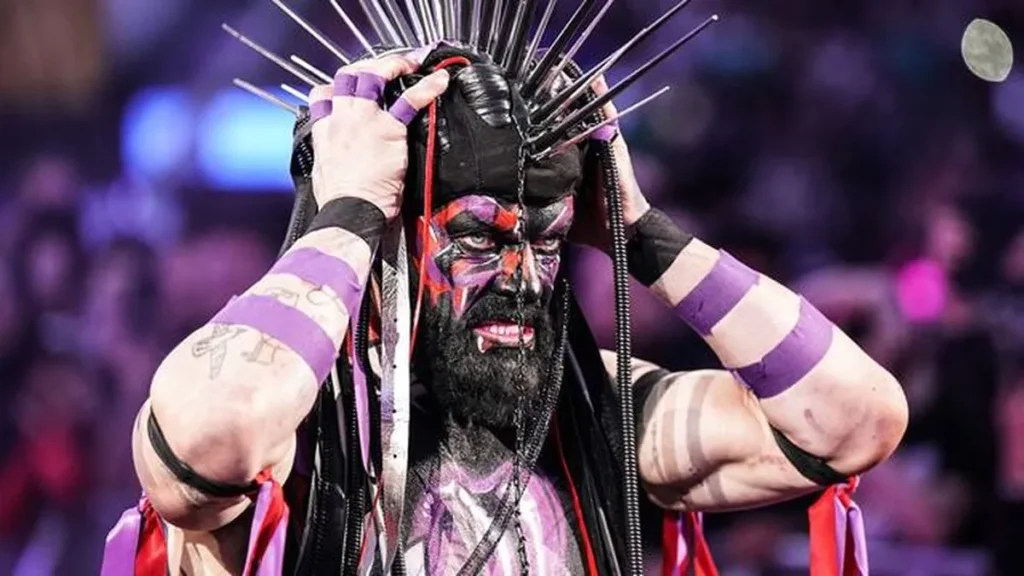
For nearly three years, Finn Bálor kept The Demon locked away. Fans called for its return constantly, rumors surfaced every few months, and WWE occasionally teased the idea — but Bálor held firm. Then at WrestleMania 42, he finally brought the persona back, defeating his former Judgment Day ally Dominik Mysterio in a deeply personal grudge match. Bálor has actually explained his reasoning across several interviews over the past few years, and putting those comments together tells a clearer story than any single soundbite does.
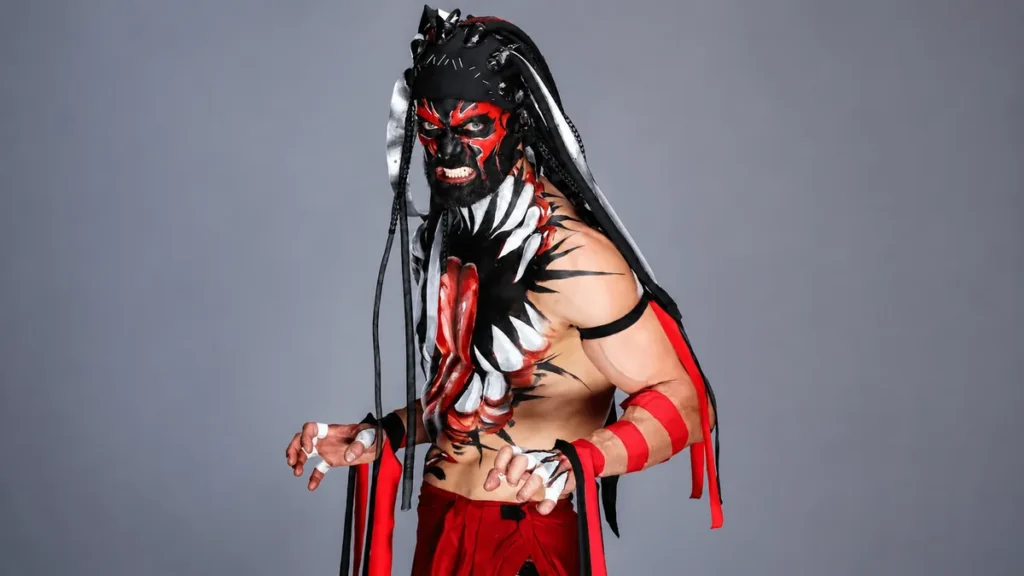
The full-body paint is genuinely demanding to apply. On WWE’s After the Bell podcast, Bálor said the process depends entirely on how much time he’s given: if he only has three hours before a show, the team has to finish in three, but he prefers to allow around six hours when possible. In a separate appearance on the INSIGHT with Chris Van Vliet podcast, he gave the same rough figure, saying the longest he’s spent in the chair was about six hours. On that same podcast, he described a genuinely alarming incident: after a test paint session at the WWE Performance Center, the crew left without leaving him the specific alcohol-based remover needed to take it off, and hairspray residue ended up burning his eyes badly enough that he was temporarily blinded and had to be led out of the building.
That’s not a minor inconvenience — it’s a real physical cost tied directly to a character he doesn’t get paid extra to play. It helps explain why Bálor has been selective about when he brings The Demon out, regardless of how the storyline itself is going.
Why WWE’s Version Never Quite Worked for Him
The bigger issue, by Bálor’s own account, was creative rather than physical. Speaking on Cody Rhodes’ What Do You Wanna Talk About? podcast, Bálor said The Demon worked well in NXT but “wasn’t done as well” once he reached the main roster, and admitted he resisted bringing it back because WWE had lost sight of what made the character special in the first place. He also pointed to inconsistency as a core problem: some nights he’d be booked as The Demon, other nights as regular Finn, with no clear internal logic for fans to follow.
In that same After the Bell appearance referenced above, Bálor made a related point: in WWE, every Demon appearance had to be justified with an in-story reason, whereas on the independent scene it had simply been a way to shift his own mindset before a fight, with no explanation required. He described leaning on the persona to please the creative and merchandising teams rather than himself, calling it a “crutch.”
This lines up with what actually happened on screen — see the table below for the specific losses that damaged the character’s aura, and why Bálor stepped away from the persona for years after WrestleMania 39.
Also Read
- WWE Grand Slam Champions: Full List and How It’s Achieved (2026)
- How Seth Rollins Reinvented Himself: Seth Rollins Character Reinventions Explained
- 7 WWE Wrestlers Who Changed Gimmicks and Became Global Icons
The Demon’s Recent Track Record
| Match / Event | Year | Result | Key Context |
|---|---|---|---|
| Extreme Rules | 2021 | Loss vs. Roman Reigns | Controversial finish — top rope malfunction cost Bálor the match |
| WrestleMania 39 | 2023 | Loss vs. Edge | Hell in a Cell; second straight high-profile loss, real damage to the character’s aura |
| WrestleMania 42 | 2026 | Win vs. Dominik Mysterio | Personal grudge feud gives The Demon its first big win in years |
Setting Terms Instead of Walking Away
Rather than abandoning The Demon for good, Bálor set conditions. On the Cody Rhodes podcast, he said plainly that he’d love to bring the character back but wants more creative control over how it’s used going forward, rather than leaving those calls to whoever happens to be writing the show that week. That’s consistent with comments he’s made in past years about wanting the character treated as something rare and meaningful rather than a routine gimmick that gets pulled out for any big match.
What Actually Changed the Calculation
Bálor’s Judgment Day exit — triggered by Dominik Mysterio and JD McDonagh turning on him — gave him the kind of personal, story-driven reason he’d said The Demon needed. Ahead of WrestleMania 42, Bálor spoke with ESPN’s Hannah Storm and framed the return directly around Dominik, saying there were “two sides to Finn Bálor” — one Dominik knew, and one he’d never seen — and that he’d thought that side was buried until the betrayal brought it back out. In that same interview, he also repeated the physical-cost point, saying the transformation is something he can only tap into occasionally because of how draining it is.
That’s a meaningfully different picture from “he was waiting for the right moment for dramatic effect” — by his own account, it was a mix of genuine physical strain, years of frustration with how WWE booked the character, and finally getting a storyline personal enough to justify paying that cost again.
Where This Leaves The Demon Going Forward
Bálor beat Dominik Mysterio as The Demon at WrestleMania 42, giving the persona its first big win since the Roman Reigns and Edge losses years earlier. Whether WWE treats that as a template — bringing The Demon back only for feuds with real emotional stakes — or falls back into overusing it is an open question. Based on everything Bálor has said publicly, the character’s future usage will likely come down to two things he’s flagged repeatedly: whether the story actually calls for it, and whether he gets more say in how it’s booked than he did the first time around.

About Gaurav Sharma
I am Gaurav Sharma, founder and the only writer at Wrestling Nightmare. I live in Punjab, India. I have watched professional wrestling since 2000, and for the last 15 years I have followed dirtsheet reporting and the difference between what is shown on screen and what is reported from backstage. I write explainers and labeled opinion on WWE, AEW, and TNA. I credit the outlet that broke a story, and I do not publish unsourced salary figures or private family pieces.
contact@wrestlingnightmare.com